I’ve just been reading an article on Stuff and it’s got me thinking about how I view the world and what I can do to have a better understanding of it by changing my perspective.
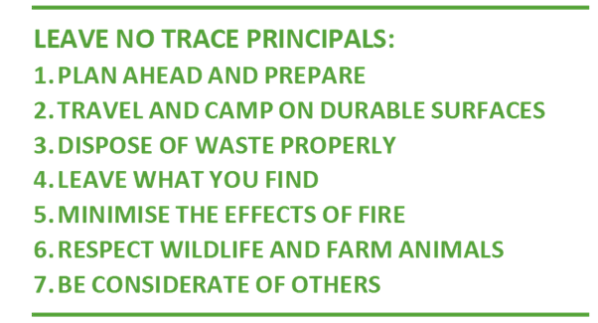
In this post I’m going to outline how I frame Leave no Trace to students I work with. Why? Because all to often I hear outdoor staff detailing the 7 Leave No Trace Principals without connecting participants to “why its important”. I have a bit of a spiel I do and I feel like I get a good response from my students both in terms of applying the principals and connecting with the reasons behind it. By sharing the framing I’m aiming to help other instructors find their way of framing the “why” and contribute to improving the delivery of Leave No Trace.
Te Ahi Manawa, “The Burning Heart”, is another favourite trail of mine although one I don’t ride enough. It takes a technical line through some beautiful forest on the South Eastern side of the trail and descends down to Lake Rotokakahi (Green Lake).
In this video it looks like I’m just pootling along, I’m certainly not pushing the envelope!! Its a narrow trail with lots of nadgery bits and trees to clack your bars on. When pushing hard it is a significant challenge.
The A line branch hop seen at 00:01:14 is actually easier than it looks but requires good commitment. I’ve ridden it before easily enough but forgot it was coming this time down and its definitely something to be ready for.
Billy T starts just up the hill from the drop off of the Hill Road shuttles and is, therefore, a popular well ridden grade 4 trail in the Redwoods. It starts through native bush before popping out into the post apocolyptic wasteland of recently harvested forest. G-Rock continues on through the nuclear winter-esque landscape via some big corners.
As a Grade 4 trail its fun technical and flowy then gets fast and loose as it breaks into the open. The big drop (seen in the video) has been replaced since filming with a big table top boosting into a super fast lander. I preferred the drop but the new feature is still fun.
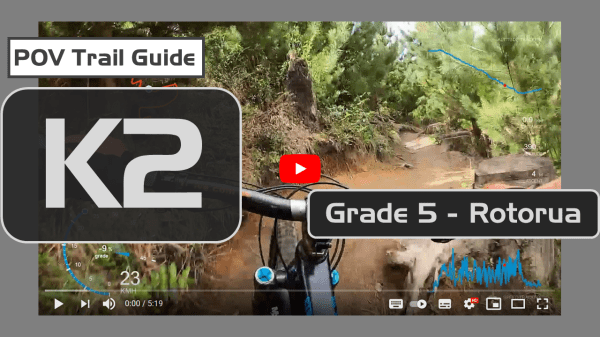
K2 is a steep grade 5 on the open side of the hill with fun, technical riding but lots to catch you out, it’s a good challenge.
In the video you’ll see the awkward, steep, tight corners and big off camber roots that make this a challenging track. When thinking about the days route its a very useful link from the Katore Road area over to the Hot X Buns and Hill Road Shuttle areas.
Box of Birds is one of my favourite trails in Rotorua. It has fun technical sections and loads of flow.
Its given grade 3 on the Whakarewarewa Forest maps but I think it definitely deserves grade 4. Have a look at the video and see what you think, let me know your thoughts in the comments below or on the YouTube video. I’ll put trail data and trailforks links below so you can easily find it and ride it for yourself.
It sounds like Ed Masters has come up with an epically daft plan and has managed to talk his mates into it too. Ed and 3 fellow mountain biker racers currently in isolation in New Zealand after arriving back from international World Cup racing are planning to complete a half marathon run this weekend to raise money for charity.
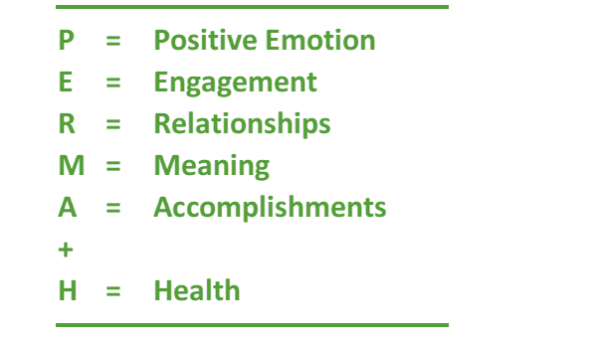
Not long ago I came across the PERMA+H model. I didnt know what it was at the time but its interesting so I thought I’d share what I know about it now and some resources you might find useful if you haven’t already come across this.
So my first post (“Piles of Success“) in a series about learning models has been well received and the social media Dopamine hit has boosted my enthusiasm to write another.
I think this one is actually my favourite.
This post is about the concept I know as “M-Grams” and looks at how “units of muscle memory” build into skills.
This is my first post in a series I’m planning to share on learning models I find useful. This model I call “Piles of Success”. I find it helps me understand the importance of initial experiences and structuring in the risk of failure as a learning process unfolds. I find people I’m working with also find it useful as a way of understanding a component of their own learning processes. Continue reading “Learning Models – Piles of Success”→